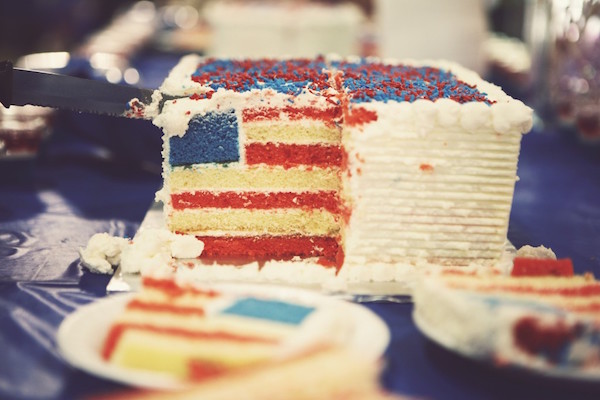
Happy Fourth! It's time for fireworks, picnics, swimming excursions, ice cream cones...and word learning!
Thinking about the language we use to celebrate the upcoming Independence Day holiday deepens our experience of it. Here are some ways to work learning into your experience of the weekend.
Can you read through the Declaration of Independence without dictionary lookups? Test yourself on 30 great words from our foundational document with our Declaration of Independence Vocabulary List.
Did you know the nickname Yank used to be an insult? In "The "Yanks" Are Coming," Vocabulary.com lexicographer Ben Zimmer traces yank's history from a term of disparagement to an expression of patriotic pride.
How old is Uncle Sam? Join us for some linguistic detective work in "New Light on 'Uncle Sam'", where Ben shows us that the term may be two years older than previously believed.
What could be so "horrible" about an Independence Day parade? In "Celebrating the Fourth with a 'Parade of Horribles'" Ben explains this nineteenth century New England custom, and follows the term into the realm of law where it played a role in U.S. Supreme Court arguments on the constitutionality of the Affordable Care Act in 2013. (Not to be topped, the Supreme Court's 2015 Affordable Care Act decision brought us jiggery-pokery.)
Why is that ultimate summer fabric named after sugar? On the history of seersucker, a word that has traveled farther than most people would think.
Too hot for any of this to feel fun? Join linguist Adam Cooper (and the rest of the country) obsessing over scorching days and sweltering nights with Adam's analysis of the etymology of summer words we find ourselves using over and over again during this season.