When we ran a post called "Short Words Are Best" a few weeks ago, subscribers jammed our Inbox with comments. One in particular caught our attention:
"Sure, short words are more readable, but what about the joy that comes from solving the innermost puzzle of a long word? For a linguaphile like me, the purest ecstasy arises from finding the Latin or Greek roots in a word, putting them together, and discovering the story of a word. For example, the word "peninsula" comes from "paene" and "insula," which mean "almost" and "island," respectively. So the word peninsula literally means "almost island." Sure, it's a long word, and some students may not like to read it, but the pleasure of the shape of the word and the story of its creation makes reading it worth the while."
We appreciated this spirited defense of long words, plus we noticed the word "students" in the comment. So we emailed this person, a teacher obviously, to find out more about how she teaches language. Well, maybe not so obvious. Here was the reply:
"You just made my day! I'm no English teacher -- I'm a high school freshman!"
Continue reading...


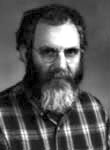 Teaching at a Fairbanks, Alaska, elementary school offers educator Doug Noon a distinct advantage: "Living where I do, I have a critical distance from the mainstream that gives me the opportunity to look at things from a fresh perspective." For Doug, this fresh perspective means creating innovative ways to use technology the classroom, a perspective he shares with teachers far and wide on his highly-respected blog, Borderland. And it's a perspective he puts to work with his students, 4th graders who publish a website of their own called Tell the Raven. Doug graciously talked to us about his experience applying technology to teaching.
Continue reading...
Teaching at a Fairbanks, Alaska, elementary school offers educator Doug Noon a distinct advantage: "Living where I do, I have a critical distance from the mainstream that gives me the opportunity to look at things from a fresh perspective." For Doug, this fresh perspective means creating innovative ways to use technology the classroom, a perspective he shares with teachers far and wide on his highly-respected blog, Borderland. And it's a perspective he puts to work with his students, 4th graders who publish a website of their own called Tell the Raven. Doug graciously talked to us about his experience applying technology to teaching.
Continue reading...
 6 7 8 9 10
 Displaying 64-67 of 67 Articles