|
|
World Wide Words is just that: Everything and anything about the English language, compiled by lexicographer Michael Quinion. From a well-stocked library in the little British market town of Thornbury, Michael writes a weekly newsletter read by some 50,000 people around the world. It's a veritable salmagundi of etymology, history, weird words, obsolete words, grammar and answers to readers' questions. Hey, where else can you learn about "the hairy antecedents of 'rebarbative?'" Michael's also a freelance contributor to the Oxford English Dictionary and an accomplished author. His latest book, just released, is called Gallimaufry, about words that have vanished from the English language. We had a rather delightful conversation with Michael:
Continue reading...
Click here to read more articles from Behind the Dictionary.
You know what "booze" means, of course, but what if you asked someone in London for a definition -- say, 500 years ago? Lexicographer Jonathon Green will tell you the word is a lot older than you might think. He's spent the last quarter century studying slang, and its history, in the English language. The respected editor of the authoritative Cassell's Dictionary of Slang , Jonathon's written over a dozen books on the subject and has collected a database of over 100,000 slang words. He's now working on a mammoth multi-volume dictionary, due out in 2008, that will cover a half a millennium's worth of words, phrases and figures of speech -- salty and otherwise -- that have seeped into English as slang. We talked to Jonathon about his passion: , Jonathon's written over a dozen books on the subject and has collected a database of over 100,000 slang words. He's now working on a mammoth multi-volume dictionary, due out in 2008, that will cover a half a millennium's worth of words, phrases and figures of speech -- salty and otherwise -- that have seeped into English as slang. We talked to Jonathon about his passion:
Continue reading...
Click here to read more articles from Behind the Dictionary.
|
Other Topics:
|


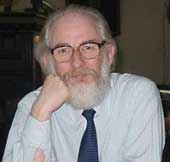
 , is living a word lover's dream: By day he's a lexicographer and project editor at the Oxford University Press's "Historical Dictionary of American Slang," and by night he runs the

